Bozeman, MT (406) 587-5537
Baxter Creek Veterinary Clinic
  • Home
    • Clinic Tour
  • Meet Our Team
    • Doctors
    • Staff
  • Services
    • Acupuncture
    • Dentistry
    • Emergency Care
    • End of Life Care
    • Imaging
    • Health Certificates
    • Laboratory Services
    • Microchips
    • Pharmacy
    • Preventive Care
    • Referral Care
    • Surgery
    • Working Dog/Sports Medicine
  • Blogs
  • Training
    • Clickerama
    • Reading Dog
    • Fear, Part 3
    • Fear, Part 2
    • Fear, Part 1
    • Jump
    • Let Us Prey
    • Right to Peak
    • Left to Peak
    • Building Blocks - Remo
    • Walter
    • Training Seminars
  • Resource Library
  • Contact

If You're a Dog, Just Say No to Drugs!  by Dr. John Ellington

10/23/2025

 
​If You’re a Dog, Just Say No to Drugs
January 1st, 2021 was a big day for recreational drug users in the great state of Montana. After years of conditional approval for medical use, marijuana was officially legalized for recreational use, and distributers popped up seemingly overnight on every street corner in Bozeman and beyond. In addition to likely increased music streaming and sales of snack foods, this legislative change also resulted in an increase in the diagnosis of marijuana toxicosis in dogs around the state.
What is THC and Why Does it Make Dogs High?
Tetrahydrocannabinol (THC) is psychoactive molecule that mimics natural endocannabinoids, binding to receptors in various parts of the brain that are responsible for memory, coordination, reward, and perception. The positive effects produced by THC are euphoria, relaxation, and heightened perception. However, along with positive effects, potential negative side effects include impaired coordination, anxiety, paranoia, dysphoria, and memory loss.
Dogs, in particular, have a higher density of CB1 receptors in parts of their brains, making them significantly more sensitive to the effects of THC, making THC considered a legitimate toxin to dogs. AKA – dogs should avoid recreational Mary Jane. Since to this point, I have never seen a dog light and smoke a joint, cases of THC toxicosis in dogs are generally restricted to ingestion of edible products including gummies, homemade brownies, and even raw flower / buds. An important distinction is that dogs can metabolize THC and can experience psychogenic effects of weed that has not been decarboxylated. In people, marijuana must be decarboxylated through heating to activate THC. Hence, ingestion of raw marijuana flower can and will cause toxicosis in dogs.
Due to the increased density of CB1 receptors, signs are far more exaggerated in dogs than in their human counterparts. Signs range from ataxia (incoordination), urinary incontinence, lethargy, hyperexcitability, and dilated pupils to a slow heart rate, vomiting, hypothermia, disorientation, tremors, and seizures. It is very rare, but unlike people, there have been cases where dogs have ingested a fatal dose of THC or have gone into a coma.
When to Suspect Marijuana Toxicosis
First of all, if you watch your dog consume one of your edibles or eat a plastic bag full of weed, it would be safe to assume they may show signs of toxicosis. If ingestion occurs within an hour of presenting to a veterinary clinic, vomiting can be induced to remove any undigested THC, lowering the chance of severe toxicity. If you are a recreational marijuana user (no judgement from us), please ensure your stash is kept secure in a locked container or closed drawer in a part of the house that is inaccessible to your pets.
If you are not a marijuana user, there is still potential danger, so don’t discontinue reading this article yet! The majority of cases of THC toxicosis I have seen involve dogs eating something containing THC on a hike or neighborhood walk. If someone discarded a joint into the environment or accidentally left an edible near a path, it is easy for a dog to quickly consume THC without the owner ever knowing. WARNING—this next part gets gross. I would say that the most common source of THC ingestion in dogs I have treated comes from human fecal matter. Unfortunately, not all campers and hikers dispose of their bodily waste in a humane or ethical manner when spending time in the woods. THC from edibles remains active even after it courses the entirety of the human gastrointestinal tract, meaning poop—yes, I said poop—will contain plenty of active THC to cause toxicosis in a dog that decided they wanted to add a certain gross delicacy to their diet on a hike through the woods. I shouldn’t have to say this, but please dispose of your waste appropriately if you are consuming edibles in the woods while camping. Additionally, if you are merely hiking your dog in the mountains, be on the lookout for any signs of human waste, especially near campsites, and do everything in your power to keep your dog from ingesting any.
If prevention fails, as it often does due to ‘dogs being dogs’ initial signs of toxicosis are generally sedation, urine dribbling, swaying back and forth, and hyperexcitability. If you move your hand quickly towards your dog’s face and they jump out of their skin with an exaggerated response, they might be high. If you got back from a hike an hour ago and your potty-trained dog is swaying back and forth and dribbling small amounts of urine, they might be high. If they have a sudden change in music taste and ask for a family-sized bag of Cheetos, they might be high!
When to Go to the Veterinarian
In all seriousness, despite the VAST majority of cases of THC toxicosis in dogs are fairly mild and worth laughing about later, it is certainly possible for dogs to become very sick and even have life threatening side effects from THC, especially if they consume a large quantity. For this reason, I ALWAYS recommend a veterinary visit if you suspect your dog has consumed THC. Treatment for THC toxicosis is largely supportive care and centers around treating specific side effects. If consumption was within an hour of presentation, we would likely induce vomiting, administer either intravenous or subcutaneous fluids, and consider the administration of activated charcoal to bind toxins before they are absorbed. If your dog were to have more serious side effects like seizures, vomiting, etc. we would administer appropriate medical therapy to control these symptoms. On rare occasions, overnight hospitalization with more intensive medical intervention may be warranted.
As mentioned before, the vast majority of dogs that ingest THC will have fairly mild symptoms that start within 1-3 hours of ingestion and resolve in 6-8 hours with monitoring and minimal intervention. In fact, most dogs likely would recover without a visit to the vet. However, do you really want to be stressing out, losing sleep, and doubting yourself making that call at home? I certainly wouldn’t. We are here to help you and can take that undue responsibility away from you. It’s what we do. The best practice is to facilitate an environment at home where your dog ‘just says no’ to drugs. However, if your dog consumes marijuana, bring them in for an exam :)

Winter Protection for Your Furry Friend by Dr. John Ellington

11/14/2024

 
Picture
​Winter is Coming: How to Protect Your Furry Friends
The long, warm days of summer have come to an end, leaving us with smoke-free air and an unobstructed view of the towering mountains that line the horizon in every direction. Several times in the last couple of weeks we have awoken to the sight of a soft white blanketing on the highest peaks and ridges. Soon, however, that subtle blanketing will creep down into the valleys, likely to stay until the spring. Bozeman and the surrounding areas receive around eighty inches of snow each year and often experience weeks at a time where temperatures barely reach freezing. As you well know, isolated days can be much, much colder than even that, plunging well into the negatives. Since most of the forecasts this year seem to be calling for a colder and wetter winter than last year, it would be smart to start physically and mentally preparing our families, including our beloved pets. The climate of Bozeman in the wintertime, while allowing for unique hobbies and sports, can be very dangerous for dogs and cats.
​How Cold is Too Cold?
***These recommendations are not intended for dogs or cats with pre-existing health conditions***

Dogs and cats should not be housed solely outdoors without a heat source for any reason in the wintertime in Montana.
Generally speaking, if temperatures are above freezing, most breeds of dogs will tolerate extended periods of time outside if they are dry and active. Activity increases cellular metabolism and creates heat. Some small and/or thinly-coated dogs may not tolerate temperatures as they approach freezing. If your pet begins to show signs of hypothermia, please bring them inside.
Temperatures between 20 degrees and 32 degrees begin to increase the risk of hypothermia for most breeds of dogs and therefore exercise should be strictly controlled. Large, thick-coated dogs, such as Siberian Huskies and Burnese Mountain Dogs, will be better protected from the cold and will tolerate these temperatures for extended periods of time, but most breeds should be limited to thirty minutes to an hour of exercise at a time. These temperatures can become dangerous quickly if pets are left outside to sit in the cold by themselves or are subjected to multiple hours of exposure.
Once the temperature drops below 20 degrees, extreme caution should be taken to prevent hypothermia and frostbite. Athletic, large-breed dogs with thick coats can usually handle limited exercise at these temperatures, but only under constant supervision. It is also highly recommended dogs wear coats and/or snow boots at these temperatures. Small dogs or dogs with thin coats should only go outside to urinate and defecate.
On days when the temperature is below 0, enjoy a nice movie next to a fireplace with your dogs and cats as the snow gently falls outside. It takes as little as 5 minutes for hypothermia to start setting in when temperatures reach their extremes in Montana.
Do not allow your dog or cat to get wet and then spend time outside in temperatures below freezing! Hypothermia occurs almost instantly when an animal is wet!
Be Prepared!
Here are some helpful tips for preparing to enjoy the winter with your pets!
  • Accessorize your pets with vests and jackets. In addition to being adorable, they help retain heat
  • Consider doggy boots. Paw pads often become compacted with “snow balls” and can be very painful. Especially if you have a long-coated dog, try to protect their feet
  • Buy a light up collar or harness. When winter is in full force, it gets dark way before the last “potty time”. Depending on the weather, it is fairly easy for a dog to wander off and get lost. Having a source of light, or even a couple of bells, helps ensure our furry friends don’t disappear in the snow.
  • Consider shoveling an area of the yard to facilitate easy bathroom walks.
  • Keep thinks like tire traction matts, hand warmers, a space heater, blankets, food/water, and a basic first aid kit in your car. Should something happen and you become stranded on the side of the road (maybe even without service), you and your pet need to be prepared to stay warm, hydrated, and fed until help arrives.
  • Lastly, if you plan to go hiking or skiing in the snow with your four-legged friend, make sure to always let at least one person know exactly where you will be going!
 
When is it an Emergency?

If your dog or cat has spent time out in the cold and you notice lethargy, weakness, shallow breathing, shivering, dilated pupils, pale gums, passing out, or muscle stiffness, please treat it as an emergency and bring your dog to a veterinarian immediately. Additionally, if you take a rectal temperature, dogs and cats should be between 99-102. If the temperature is below the normal range, it may be an indication of hypothermia.
 
Enjoy the Winter!
This blog is in no way discouraging you from enjoying the winter wonderland that is about to descend upon us. The winter can be one of the most fun times of the year to enjoy your dog or cat. Just make sure you do it safely by understanding temperature and its effects on your pets, by being prepared, and by being able to recognize an emergency. We at Baxter Creek hope this is your best winter yet. As much as we enjoy seeing you, we hope that your days are spent having new adventures that don’t involve a veterinary clinic!

Picture

"Blue-green Algae" - A Bloom Worth Avoiding by Dr. John Ellington

6/13/2024

 
PicturePhoto courtesy of UT DEQ
​“Blue-green Algae” - A Bloom Worth Avoiding

The long anticipated warm rays of summer bring with them the bloom of bright yellow, deep purple, and sky-blue wildflowers, dotting the sides of our alpine grasslands, adding much needed color to this beautiful landscape we call home. However, not all of the blooms are benign and worth celebrating.
Lurking beneath the surface of shallow, warm, fresh water lakes and ponds is an organism that, when ignored, has the potential to make our four-legged companions very sick, and is even occasionally fatal.
 

What is “Blue-green” Algae?

Cyanobacteria are a collection of microorganisms that are often referred to as “blue-green algae”, because of characteristics and appearance that resemble plant matter, namely their ability to undergo photosynthesis, which gives them their green color. Rather than true algae, cyanobacteria are actually a group of gram-negative bacteria. In colder months and in the presence of moving, mineral poor water cyanobacteria are generally in low numbers and are not visible to the naked eye. However, in the warmer months of the year when shallow bodies of water become stagnant and relatively nutrient-rich due to low influx of new water in the form of rain, cyanobacteria will overgrow and produce striking blooms that are often observed near shorelines and can even stretch across the entire surface of a pond. These blooms range in color from deep, mossy green to a cyanotic blue-green.
In this evolving world, organisms of all shapes and sizes do everything in their power to give them a leg-up on their competition. One of my favorite examples is something many of us exploit every single day. Plants produce caffeine to harm the central nervous systems of insects that would love to eat them, the by-product of which is our delicious cappuccino. Cyanobacteria, on the other hand, produce and release a variety of species-specific toxins that limit growth of other microorganisms and plant matter to allow for their large blooms. In small amounts, these toxins are almost negligible to larger animals. However, in the event of a “blue-green algae” bloom, these toxins can accumulate in large enough amounts to cause serious illness in dogs, cats, and even people. The most common toxins affect the liver, the skin, and the central nervous system.

What do I look for?

The first and most common clinical signs associated with cyanobacteria toxicosis include vomiting, diarrhea, weakness, pale gums, and collapse. Additional signs include jaundice, depression, hemorrhage, respiratory distress, seizures, imbalance, and changes in urine frequency. Clinical signs can progress and become life-threatening within HOURS of exposure. One of the most important pieces of this puzzle is your pet’s history. A dog that has been watching a nature documentary on your couch all day likely doesn’t have cyanobacteria toxicosis. However, if you just returned from a hike to a lake or pond in the summer with your water-loving dog and they begin to show these signs (even if you didn’t see an obvious blue-green bloom), I would start to worry there may have been exposure and visit your vet as soon as humanly possible.

Treatment and Outcome
​

Pets with cyanobacteria toxicosis can become very sick and even pass away before an owner realizes they need to go to the vet. Because of that, AVOIDANCE IS KEY! If you are out this summer with your furry friend, rivers and deep, cold alpine lakes are usually safe, but PLEASE do not let them swim in shallow, warm, stagnant bodies of water, even if they look clean. If you are worried that there has been exposure, please treat it like an emergency and bring your pet in to be seen. Treatment consists of making your animal vomit, administering activated charcoal to bind toxins, controlling neurologic signs and seizures with medications, IV fluid therapy, and treating a variety of other clinical signs. There is no specific cure for cyanobacteria, but rather a combination of therapies that constitute supportive care. Many animals exposed to cyanobacteria recover just fine, but there are certainly some that do not. AVOIDANCE IS KEY!
As we enter into another beautiful summer in the Rocky Mountains, try to enjoy nature to the fullest. Identify the songbirds, explore the forests for virgin waterfalls, and chase the sun as it passes from the east to the western horizon, lighting up the sky in shades of purple and orange. When looking for blooms, however, remember to stick to the flowers; “blue-green algae” is a bloom worth avoiding. 
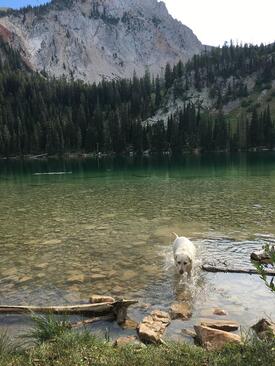
The Smelly Wet Dog by Dr. Jessica Bienapfl

8/5/2019

 
Picture
It’s that time of year.  Summer has officially arrived and if your dog is like mine, she can’t get enough of the lakes
and streams this time of year.  Every year over the warm summer months we see dogs coming into the clinic for ‘smelly wet dog’ syndrome.  Allow me to explain.


Dogs, just like people, carry bacteria and yeast on their skin at all times.  These organisms are kept in check by the dog’s immune system when the dog is healthy.  The skin has natural barriers in place to help keep the bacteria and yeast in check.  When dogs get wet the skin surface softens and those barriers get broken down.  Typically this only becomes an issue when the skin is wet for an extended period of time.  Because dogs have so much fur they tend to trap and hold water on the underside of the body, the armpits, the groin, under the ears or collar.  When these areas remain wet for too long, those natural barriers get broken down and the bacteria are allowed to invade and cause infection.  This can range from a few small bumps to severe deep (and painful!) infections.  Often the first thing people notice is their dog seems to smell more.  With the feet, because they tend to have more yeast, people will notice a more yeasty smell that some people equate to the smell of corn chips. 

​
​
Ok, so what do we do to keep them healthy?  First of all regular bathing with a mild shampoo is a good idea.  This helps remove the ‘funk’ of some bodies of water.  Sometimes rinsing is enough to help keep them comfortable.  Be careful of bathing your dog too often as the shampoos can strip the natural oils of the fur and dry out the skin making them more susceptible to infection.  Make sure after swimming, your dog is allowed to thoroughly dry.  You can towel them down or some dogs will tolerate a fan.  At home I towel my dog off then put a dry towel on her dog bed for her to lay on for a few hours.  I also recommend removing collars to allow the neck to dry out better. 

Some dogs are more prone to ear infections and swimming can make it easier for those to get started.  If you are concerned about the ears, or they are starting to smell, it’s a good idea to rinse the ears with an ear cleaning solution.   The purpose of ear cleaner is twofold; first, it helps to remove wax and debris from the deep canal, but secondarily these often contain a drying agent to help displace water and encourage the ear canal to dry thoroughly. 

Should you discover infection or discharge we recommend you seek medical care for your dog.  Most dogs with skin or ear infections will require antibiotics and some of the more severe infections can be quite painful.  Please consult your veterinarian should you have any questions or concerns. 

​As ever, have a wonderful summer, enjoy the outdoors and happy swimming! 


First Aid Supplies by Dr. Jessica Bienapfl

8/5/2019

 
Picture

Recently I was asked to speak about what I carry in my hiking pack for first aid supplies for my dog.  In general I carry a few supplies with me, in my pack, and in the car I have a larger first aid kit.  This is by no means an exhaustive list but it is what has worked for me through the years.  The goal of these supplies is to provide basic stabilization to be able to get back to the car and then into the veterinary or emergency office for further care. 


​I do not ever recommend trail side surgery for any reason.  There are far too many things that can go wrong if wounds are not properly assessed, explored and cleaned.  Canine and feline skin is incredibly mobile  which means that the wound you see on the surface may have corresponding damage to the tissues inches away under the skin.  These things can be tricky so when in doubt please have your pet assessed by a veterinarian ASAP.


​In my pack I carry the following: 
  • An ace bandage.
    • Small, can be used to stabilize or as a sling or bandage material.
  • A dog boot and sock.
    • My dog hates wearing boots but if she slices her pad or tears a nail, this will keep it clean and help control bleeding, use either dog socks (yes, they make them) or toddler socks.
  • A knife. 
    • Basic pocket knife or multi-tool.
  • Maxi pads. 
    • Women's sanitary napkins come conveniently individually packaged and make fantastic bandage material.  Guys talk to the women in your life, they'll get you the right products (unscented, individually wrapped).
  • Slip leashes (2). 
    • The basic leash you will see at dog parks and veterinary offices.  Most veterinary offices have these hanging by the front door if you need one.  They roll up into tiny parcels and can be used for everything from a sling to a muzzle to a belt.  They are super handy!
  • Cable cutter. 
    • Different from a knife, designed specifically to cut cable should the dog get tangled up.
  • Bandage material. 
    • A single large (4 inch by 4 inch) telfa pad, small amount of gauze,  roll of vetrap.
  • Benadryl 25mg tablets. 
    • Given as a treatment for allergic reactions and or bee or wasp stings, you can give approximately 1 mg of Benadryl per pound.  Do NOT give more than 50 mg to a large dog. 
    • ***PLEASE do not give your pet any other human medications!***
  • Tweezers and nail clippers.


At the car I have:
  • Eye wash /sterile saline flush
  • More gauze, telfa pads and vetrap
  • Examination gloves
  • Saran wrap
  • Standard band-aids
  • Triple antibiotic ointment

We hope you will never have to use any of these supplies, but wish you all safe and happy times while exploring our trails!
​

Picture

Cheat Grass Season is in Full Swing by Dr. Palmer Poutre

8/7/2018

 
​Most dog owners are aware and on the lookout for many potential hazards their pets may encounter in the outdoors such as cars, porcupines, or other wildlife.  However, you may not be aware that grass is a potential hazard to your pet. 
​
What is Cheat Grass and Why is it Such a Problem?
Cheat grass is an annual, invasive grass that comes back year after year.  Cheat grass is sometimes also referred to as foxtails, mean seeds, June grass among others.  Regardless of what you call it or what the actual species of grass is, they all have awns which can be problematic for dogs and cats.  The awn is the bristle-like appendage that grows from the flower of many grasses.  The purpose of awn spikes is to stick and hold onto surfaces in order to spread their seeds to distant locations.  Unfortunately, the sharp nature of these spikes can result in penetration through the skin or become embedded in nearly any location.  Commonly, they become lodged in the nose, eyes, ears, and between the toes of dogs.  Other routes of exposure may include inhalation or swallowing.  Grass awns become problematic when they go unrecognized or are not removed.  
Picture
Grass awns removed from the ear of a dog.
Picture
Note the sharp awns protruding from the grass seed.
​Signs of Problematic Grass Awns
The symptoms depend largely on the part of the body that is affected.  For a grass awn in the nose, usually sneezing or pawing at the face/ excessive rubbing is the first sign noted.  This can progress to nasal discharge.  Dogs with awns stuck in their ears often shake their heads.  One of the most common places grass awns get stuck is in between the toes of dogs.  You may or may not see a puncture hole where the seed entered.  Often, these dogs lick their feet or limp. Occasionally, you may see a red swelling between the toes or paw pads.  Other signs of infection may indicate a problematic grass awn.  Non-specific signs such as lethargy, decreases appetite, painful swellings, redness, or lameness may be observed. 

Should You Remove Grass Awns at Home?
Awns that are attached to the coat or hair can be removed by hand or brushed out.  Removal of awns that are embedded is trickier.  These awns often have barbs, or hooks, anchoring them in tissue and favoring forward migration.  Attempts to pull seeds out may results in breakage leaving pieces in tissue.  Subsequently, inflammation and infection may result.  The aggressive nature of these awns can even result in migration to the lungs, brain, spinal cord, abdominal cavity, almost anywhere really.  They can become a very serious problem.  Early recognition and examination are the best way to prevent further damage by the grass awn.  Often it is necessary to sedate the patient in order to remove the grass awn in its entirety.


Picture
Grass awns stuck in between the toes of a dog earlier this month.
How Can You Protect Your Dog?
Avoiding contact with problematic grasses is the best way to prevent grass awn issues.  However, this is nearly impossible. Dry, grassy fields should be avoided if possible. Dogs with medium/long hair should have the hair between the toes and paw pads clipped short. It may be beneficial to have the underside of your dog groomed short to avoid picking up seeds.  Additionally, dogs with hairy ears should have the hair trimmed short.  If you have working dogs or your dog spends a lot of time running through tall grasses, you may want to purchase a vest.  It is important as an owner to take some time to look over your dog especially after he or she has been out in grassy fields.  Don’t forget to check in between their toes!  Dog boots may be beneficial as well.
It is important not to underestimate the potential seriousness of grass awns. 
 

Respecting the Summer Heat by Dr. Miles Arakaki

7/13/2018


A group of scientists were visiting our Army working dog kennel to assess the feasibility of establishing a K9 research lab.  While the Kennel Big-wig schmoozed with the Science Big-wig, the rest of us hung in the background.  One of the scientists leaned over to me and asked, “Do you think it’s feasible to design a study to measure VO2 max in dogs?  We’re looking at improving physical performance in working dogs.”  “Sure it’s feasible, but in my opinion, the rate-limiting factor for performance is going to be thermoregulation; his ability to dump heat, not his VO2 max.”  The scientist looked startled for a second then grinned, “It’s interesting you say that.  DARPA (Defense Advanced Research Projects Agency) is investigating a similar approach with human performance.  We need to talk some more.”

My interest was piqued, and after some Googling, I found what he was talking about.  Scientists at DARPA had found that by regulating the temperature of exercising muscles, they could increase muscular endurance and improve overall work output.  I had come onto my own cruder ideas from running my dog, Remo, every morning in the woods around the kennel to validate a physical training (PT) program for working dogs.  The trainers had come to me several months earlier asking for a PT plan that would work both the dogs and their handlers at the same time.  They rejected my proposal immediately, which only spurred me to prove them wrong. 

Summertime in Missouri is brutal.  The temperature and humidity start climbing before the sun cracks the horizon, and our training was done in the early morning darkness.  Unlike humans, dogs do not use evaporative cooling (they have a few sweat glands, but not enough), and they rely on transpiration through panting.  A dog’s normal resting rectal temperature runs between 100 – 103 degrees F.  A temperature above 103 can be from a fever (due to some underlying medical condition), or hyperthermia (from exertional or environmental causes).  When a dog’s temperature is out of spec, the enzymes and proteins begin to deform, and the biochemical pathways that keep the engine humming start to fail.  There is massive inflammation, and the body reacts on a grand scale, which just makes things worse.  Blood begins to leak out of compromised vessels, organs get damaged trying to deal with toxic byproducts, and the circulatory and nervous system collapse with shock. 

The book says that a sustained body temperature above 106 degrees F can lead to permanent physiological changes, but we measured plenty of dogs running up there during my time training in Missouri, and a consistent sign of stress was performance decline.  Even with the early morning starts, I noticed drops in Remo’s performance towards the middle of the workout.  He was in good physical shape, so I suspected it was the heat.  I began to plan our route so that we stopped at a small fishing pond at the halfway point. 

After weighing the potential water hazards (giardia, leptospirosis, blue-green algae, water moccasins, etc.), I allowed him a swim to cool off.  I immediately noticed an improvement in his performance, and he continued strong throughout the rest of the ruck run.  The half-way swim became a regular part of our morning routine.  This is not to say that simply swimming a dog will solve all problems.  There are numerous variables that will affect each case:

  • Individual characteristics:  age, physical condition (obesity, etc.), underlying medical conditions (laryngeal paralysis, heart disease, etc.).
  • Breed characteristics:  brachycephalic (flat nose) breeds, body shape and haircoat, athleticism, innate tolerance. 
  • Environmental conditions:  Temperature and humidity, ground surface (asphalt/concrete vs. dirt/grass), shade and wind, other hazards (infected or contaminated water, physical hazards, etc.)
 
The take home lesson is to carefully design activities and establish conditions to PREVENT heat injuries before they occur, or else leave the dog at home.

Treating a K9 heat injury is not a straightforward process.  Overzealous cooling can lead to rebound hypothermia and a whole separate can of worms.  Hospitalization of a patient is an intensive and costly endeavor of playing catch-up-and-treat based on the severity of the signs, with no guarantees.  Prevention is always the better alternative.  We continued to train, and after several mornings of a trim and lean Remo running past a formation of handlers with their fat dogs, they started to come around.  Remo continued to be the guinea pig for other trials which led to future obstacle course, rappelling, climbing, fast-rope, and helo-cast training, but always with the health and longevity of the dogs in mind.  It became a fun time to be a working dog handler, and we never lost a dog to heat along the way.
​
Remo is older now, with a lot of mileage and some other medical issues, but he still gets exercised regularly along with his younger ‘sister’.  We’re only as fast as our slowest ‘man’, and Remo sets the pace, no matter how far, fast, or hard the rest of us want to go.  
Picture

Tick Borne Disease by Dr. Jessica Bienapfl

5/16/2018

 
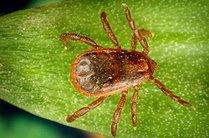
Picture
Brown Dog Tick
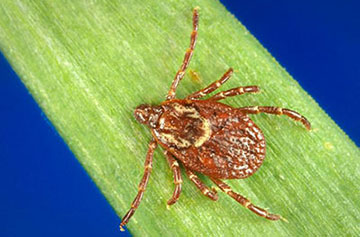
Picture
American Dog Tick
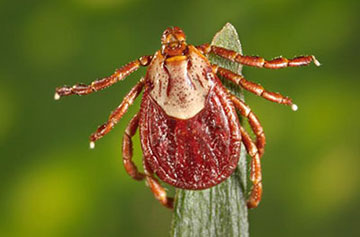
Picture
Rocky Mountain Wood Tick
Picture
​Tick Borne Disease
 
Spring is here, the grass is green, the creeks are high, and the ticks are out!  Springtime is the time the ticks are most actively questing for food sources after a long winter.  Ticks attach via their mouthparts and will take a blood meal and engorge (swell up) before detaching.  After coming out of dormancy in the spring, the ticks are hungry and eager to feed.  This means that early spring is the time we see more ticks on our domestic animals. 
​
According to the CDC, the primary species of tick found in Montana are the Brown Dog Tick (Rhipicephalus sanguineus), Rocky Mountain Wood Tick (Dermacentor andersoni), and the American Dog Tick (Dermacentor variabilis).  The American Dog Tick is primarily found in eastern Montana, whereas the Brown dog tick and the Rocky Mountain Wood Tick are found throughout the state. 
 

Aside from being a nuisance and a parasite, ticks are known to transmit bacteria, viruses and protozoa to other animals, including humans.  In Montana, the disease we worry about the most is Rocky Mountain Spotted Fever (RMSF).  All three species of ticks found in Montana can transmit RMSF.  RMSF is transmitted after a tick has attached and has begun to feed.  The tick needs to fully attach before transmission can occur.  Additionally nymphal ticks (immature stages of development) can also transmit disease.
These immature stages can be extremely small and difficult to see. 


Ok, so what do we do about it?  Prevention:  Several products are on the market to prevent ticks from attaching or to kill them when they bite the dog or cat.  Talk to your veterinarian about medication options and what is right for your pet. 

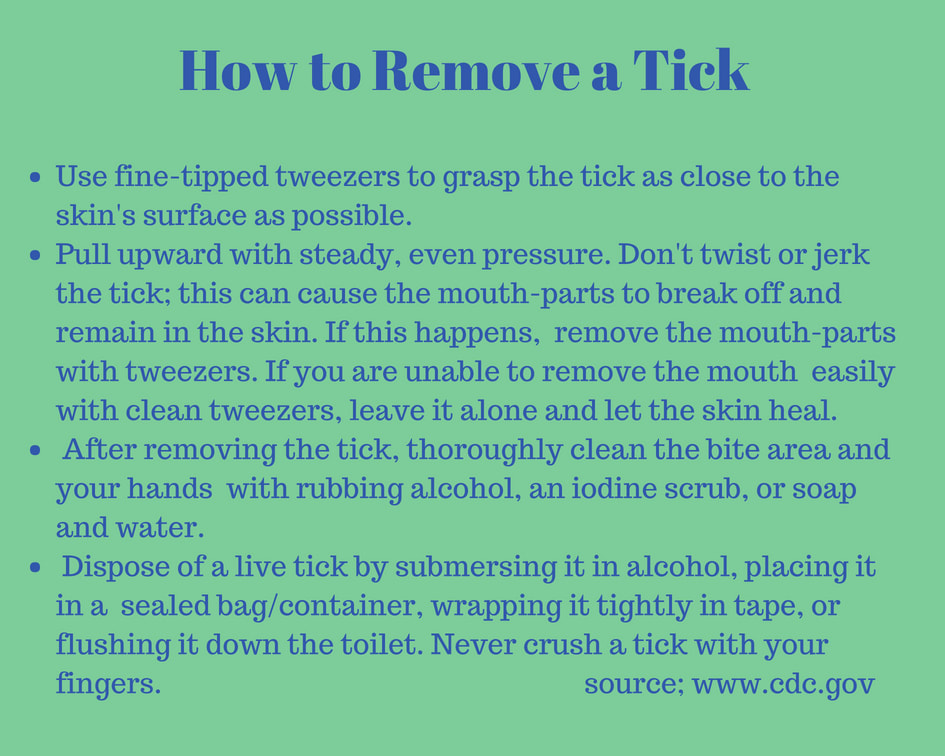
​Avoid folklore remedies such as "painting" the tick with nail polish or petroleum jelly, or using heat to make the tick detach from the skin. Your goal is to remove the tick as quickly as possible–not waiting for it to detach.
Resources:
https://www.cdc.gov/ticks/index.html
https://www.cdc.gov/rmsf/


Meet The "What" Therapy Dogs!  by Richard & Melinda

4/26/2018

 
Picture

Richard moved to Bozeman Montana with his Golden Pyrenees mix, “Sandy”.  He wanted a friend for his girl, and Heart of the Valley had a beautiful Australian Shepherd available for adoption.  Heart of the Valley called this girl, who had been deaf from birth, “Penny”.   When Richard met Penny, he said, “What does that matter?” and changed her name to PennyWhat.  They adopted each other right away and the fun began.  Richard taught PennyWhat hand signals and the three of them had many adventures hiking in the mountains around Bozeman.


​As time passed, Sandy took her final hike to the Rainbow Bridge, and Richard decided that PennyWhat needed a new friend.  After searching online, Richard found the Double J Dog Ranch in Idaho.  The Double J cares and finds forever homes for dogs with disabilities. Driving through the smoke of the forest fires, Richard and PennyWhat traveled 400 plus miles to meet a four year old mini Australian shepherd that looked like he could be PennyWhat’s twin, only smaller. He too had been deaf from birth, and soon became known as LokiWhat.  PennyWhat and LokiWhat became instant best friends. Richard knew there was something special about these two, and decided to give them a job.

Richard began with basic training for PennyWhat and LokiWhat.  In their class, the two of them sat, laid down, and did everything together.  Their instructor was amazed.  Trying to find a dog trainer for deaf therapy dogs became a challenge, but finally, the Alliance of Therapy Dogs agreed.

So the journey began.  The What dogs have a job!  All three are giving back to our community, with regular visits to Bozeman Health, offering comfort to patients there.  Their most recent adventure was visiting the Veteran’s Hospital at Fort Harrison in Helena, Montana.  LokiWhat and Richard spent over 4 hours visiting soldiers there.  Richard says it was a wonderful experience giving back to our country and soldiers.   

Richard is looking forward to a busy year with the Therapy What Dogs and although the What dogs cannot hear, they hear with their hearts. Richard says that when their vests go on, they know it’s time to work!  When they’re not working, they are off exploring the mountains in this beautiful valley.  We are so proud of these two and are very happy and grateful to care for these beloved dogs.

Thank you for all you do Richard, PennyWhat and LokiWhat!


Curtailing Cabin Fever by Jessie

3/2/2018

 
Cabin Fever (noun): irritability, listlessness, and similar symptoms resulting from long confinement or isolation indoors during the winter. 
Picture
​
​Montana is known for long winters,  and cold weather coupled with treacherous terrain can make it difficult to get out and exercise our dogs.  The resulting abundance of energy can manifest as naughty behaviors in the home.  You might notice inappropriate chewing, counter surfing, excessive barking, or maybe your dog will leap up to sprint laps around the house!

Help defeat cold weather blues with these simple suggestions.
  • Use interactive feeding toys: 
    • Stuff a Kong toy with peanut butter, wet dog food, or plain Greek yogurt, then let them at it!  Freeze the toy beforehand to add an extra challenge.​
    • Food puzzles are a great way to turn meals or snacks into a mental workout! There are many great  options at your local pet stores or online.  Check out this video from West Paw Design.......
  • Teach a trick
    • Sit, stay, down, shake, high-five, roll over, play dead....The list goes on, and you're only limited by your imagination!  YouTube can be a great source of tips for trick training.
  • Throwback to your childhood with a game of Hide-and-Seek
    • Hide small treats or pieces of kibble around a room, then let your dog sniff them out!
    • Once your dog has mastered "Stay", use it to hide from your dog!  Put them in a sit or down stay, then  hide in another room.  Call your dog once, and see if they can find you!
  • Throw the ball inside (even though Momma probably told you not to)
    • If you have carpeted indoor stairs or a long hallway, use that space to play a little fetch!
  • Introduce new toys
    • We all need a little variety in life, so consider bringing your pet a new toy once in awhile.
    • Rotate your pet's current toy selection.  A toy that your dog hasn't seen in a few weeks can be just as exciting as a new one.
  • Take walks in pet-friendly stores!
    • Work on your dog's loose-leash walking skills with the wonderful distractions these stores provide!
    • Ace Hardware, Bob Wards's,  Bridger Animal Nutrition, Dee-O-Gee, Home Depot, Lowes, Montana Gift Corrral, Murdoch's, Petco, Petsmart, and Sportsman's Warehouse are some of our local pet-friendly stores!


<<Previous
    Picture

    Archives

    October 2025
    November 2024
    June 2024
    August 2019
    August 2018
    July 2018
    May 2018
    April 2018
    March 2018
    May 2017
    April 2017
    March 2017
    February 2017
    December 2016
    August 2016
    July 2016
    June 2016
    May 2016
    April 2016
    March 2016
    February 2016
    January 2016
    October 2015
    September 2015
    August 2015
    April 2015
    March 2015
    October 2014
    August 2014
    June 2014

    Categories

    All
    Obesity
    Outdoor Temperatures
    Toxic Substances

    RSS Feed

Hours of Operation

Monday-Friday  7:30AM-5:30PM
Saturdays and Sundays: Closed

Connect With Us

Picture
Picture
Picture
Picture

Contact Us

Baxter Creek Veterinary Clinic
710 Stoneridge Dr.
Bozeman, MT 59718
Phone : 406-587-5537 
email: [email protected]

© Copyright 2015 Baxter Creek Veterinary Clinic
Bridger Panorama:  andyaustinphoto.com